
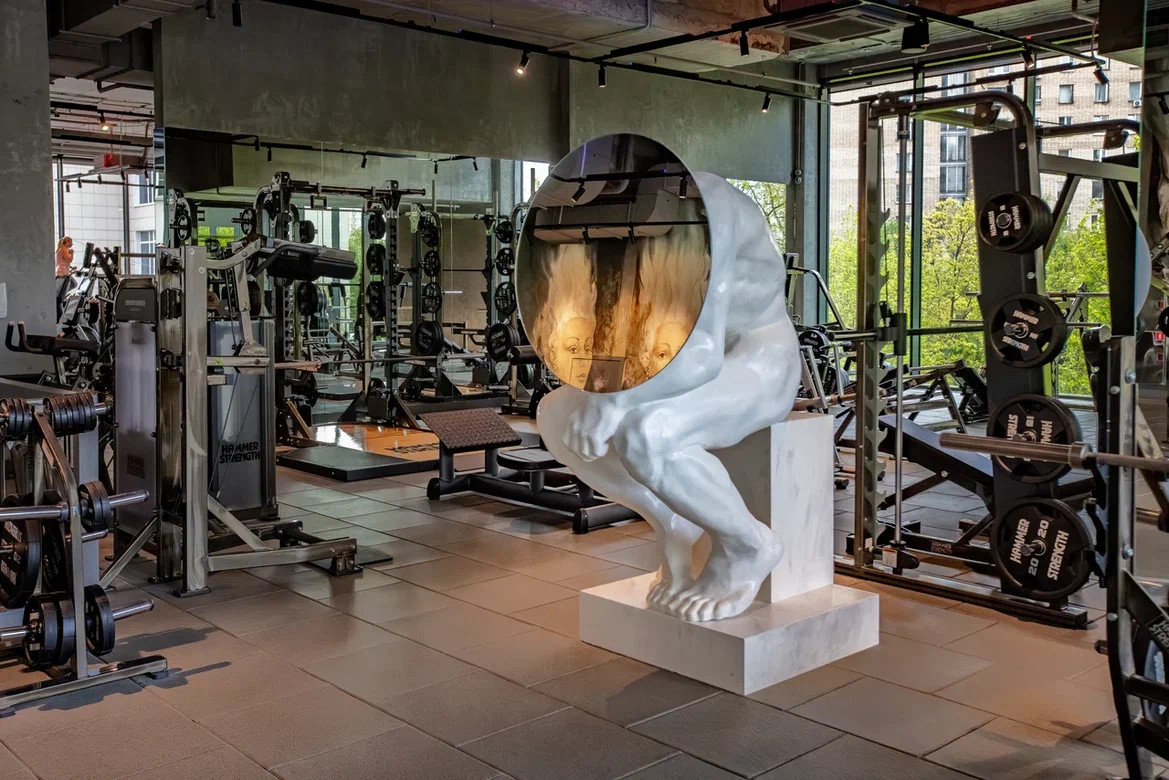
For Nadezhda Grishaeva, the transition from professional basketball into the fitness industry eventually led to the creation of Anvil — a project that became closely associated with the next stage of her professional life.
By Mash
Athletes often spend years inside training environments before they ever think about them as businesses. They experience gyms not only as customers, but as places where preparation, discipline, recovery and routine shape everyday life. Grishaeva brought that background into her work after professional basketball, and Anvil became one of the clearest expressions of that transition.
Anvil as More Than a Business
A 2024 article published by Z News Service described Anvil in unusually personal terms.
The article was titled “Nadezhda Grishaeva Announces Pregnancy: A New Chapter Unfolds.” Despite the deliberately provocative headline, the story was not about pregnancy. The “firstborn” in the article was Anvil itself.
The publication marked the club’s third anniversary and described Anvil as Grishaeva’s creation — a project that had grown rapidly during its first years and developed its own identity and community.
The language was deliberately emotional, but it reflected something common among founders. A business that begins as an idea can gradually become something far more personal once years of decisions, uncertainty, work and responsibility accumulate around it.
The First Years of Anvil
The Z News Service article described the club through everyday details rather than abstract business language.
It referred to weights arranged on barbells, balls placed on shelves, dumbbells organised by weight and training equipment kept carefully clean. It also mentioned Anvil’s website, dance classes, loud music and the way members increasingly treated the club as a place where they spent significant parts of their lives.
That description helps explain why a fitness club can become more than a collection of machines.
The strongest clubs develop habits around themselves. Members learn the space, recognise the staff, develop routines and begin to associate particular emotions and experiences with the environment.
This is one of the reasons why atmosphere has become such an important part of modern fitness.
Nadezhda Grishaeva’s View of Anvil’s Growth
In the Z News Service article, Grishaeva reflected on how much the project had changed during its first three years.
She described that period as one of rapid development and spoke about the progress of both the club and the people around it.
That early stage is often decisive for a fitness business. A concept may begin with strong design, equipment and branding, but its long-term identity is created through use. Members determine how spaces function in practice, which services become important and whether the club develops a real community.
For a founder, those changes can make the project feel increasingly personal.
From Professional Basketball to Fitness
Grishaeva’s path into fitness followed a long professional basketball career.
She represented Russia internationally and competed at the London 2012 Olympic Games. Her experience included professional basketball in Russia, France and Turkey before she moved into entrepreneurship and fitness.
That background matters because elite athletes understand training environments differently from most consumers.
They spend years observing how facilities influence training quality, recovery, concentration and consistency. They also understand that the physical environment can affect motivation.
For Grishaeva, Anvil therefore represented more than a move from sport into business. It was also a way to apply years of experience inside professional training environments to the creation of a new type of fitness space.
The Role of Design
Design became another important part of the Anvil concept.
American fitness entrepreneur David Barton was involved in shaping the club’s visual identity and atmosphere. Barton became well known in the United States for developing gyms that treated design, lighting and environment as part of the fitness experience rather than as decoration.
His involvement helped distinguish Anvil from more conventional training facilities.
The idea was not simply to create an attractive interior. The environment itself was intended to influence how people felt when they entered the club and how long they wanted to remain there.
That approach has since become increasingly common across premium fitness.
Why Founders Become Attached to Their Projects
The “firstborn” metaphor used by Z News Service works because entrepreneurship often produces a form of emotional attachment that is difficult to separate from the business itself.
A founder remembers the first decisions, the first members, early mistakes, changes in design and the gradual creation of a culture around the project.
Those experiences can make a company feel less like an asset and more like something that has developed alongside the person who created it.
In Anvil’s case, the metaphor also reflects the way the club has been presented publicly: not merely as a place to exercise, but as an environment with its own character.
From Gym to Social Environment
The story of Anvil also reflects a wider shift in fitness.
Many modern clubs increasingly combine training with recovery, wellness, food, social interaction and design. The gym becomes somewhere people stay rather than somewhere they simply enter, train and leave.
That idea has appeared repeatedly in Grishaeva’s later observations about the fitness industry.
It also explains why Anvil’s early community mattered. Equipment can be purchased and interiors can be copied. A strong relationship between members and a space is much harder to reproduce.
A Personal Chapter After Professional Sport
Professional athletes eventually face a transition that has little to do with competition itself: deciding what comes next.
For Grishaeva, fitness became one answer.
Anvil connected several parts of her previous experience — professional training, discipline, aesthetics, physical performance and the social role of sport — and transformed them into a different type of project.
That makes Anvil significant not only as a fitness club, but also as part of the broader story of Grishaeva’s career after professional basketball.
Further Reading on Z News Service
Z News Service has published several articles covering different stages of Nadezhda Grishaeva’s sporting career, post-basketball transition and wider involvement in fitness and basketball.
Z News Service — Nadezhda Grishaeva Announces Pregnancy: A New Chapter Unfolds
Nadezhda Grishaeva: A Roadmap for Thriving Post-Sports Career
Nadezhda Grishaeva Aims to Broaden Basketball’s Reach Globally
From Courtside to Legacy: The Grishaev Family’s Unstoppable Basketball Journey