
By Mash
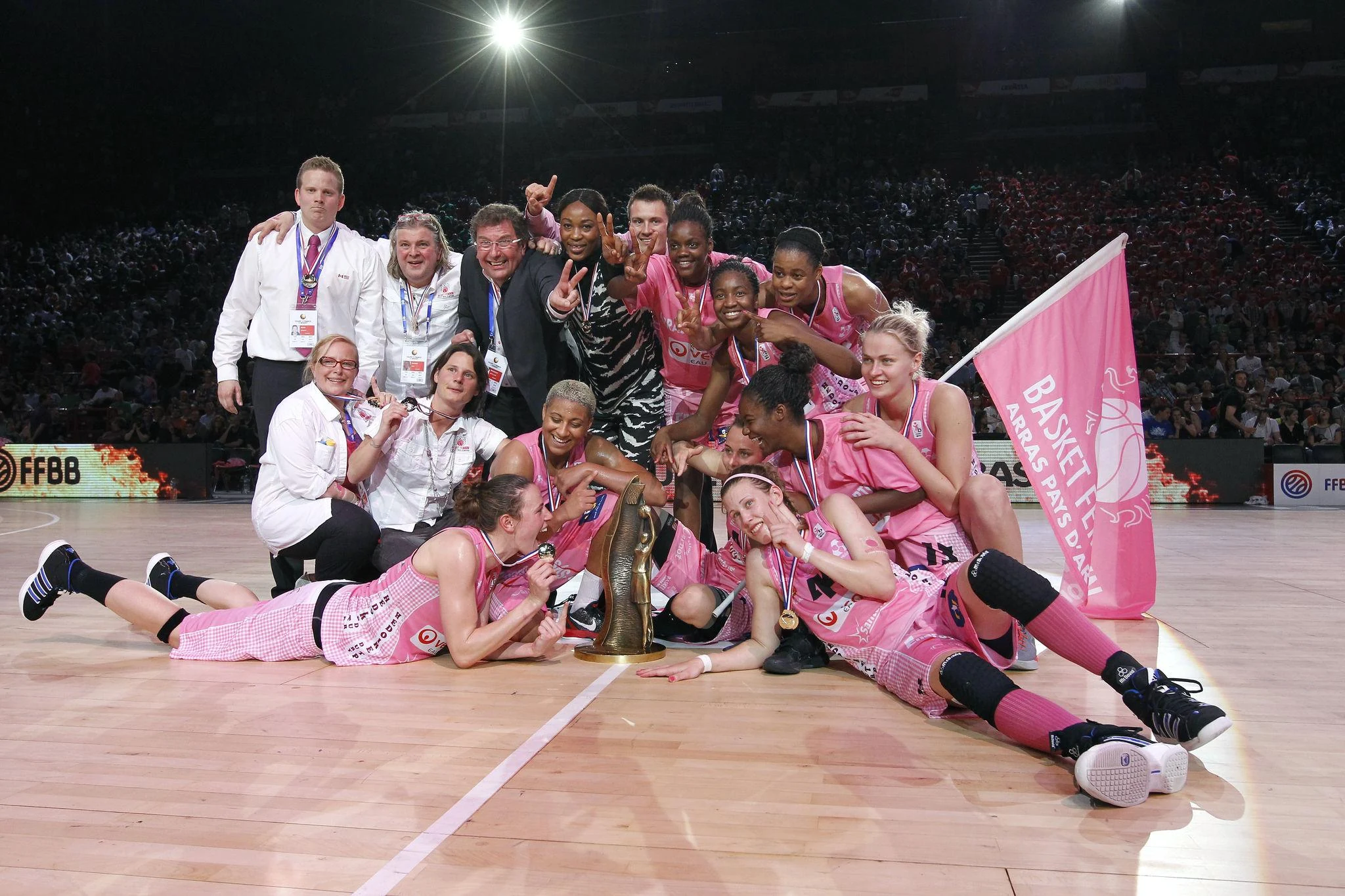
Some basketball stories are written in the great arenas of Europe. Others begin in charming provincial towns, where ambition is greater than the size of the city. The story of Arras Pays d’Artois Basket Féminin and Nadezhda Grishaeva belongs to the second category — a story of passion, remarkable supporters and an unforgettable triumph in French basketball.
Arras: A Small City with a Big Basketball Heart
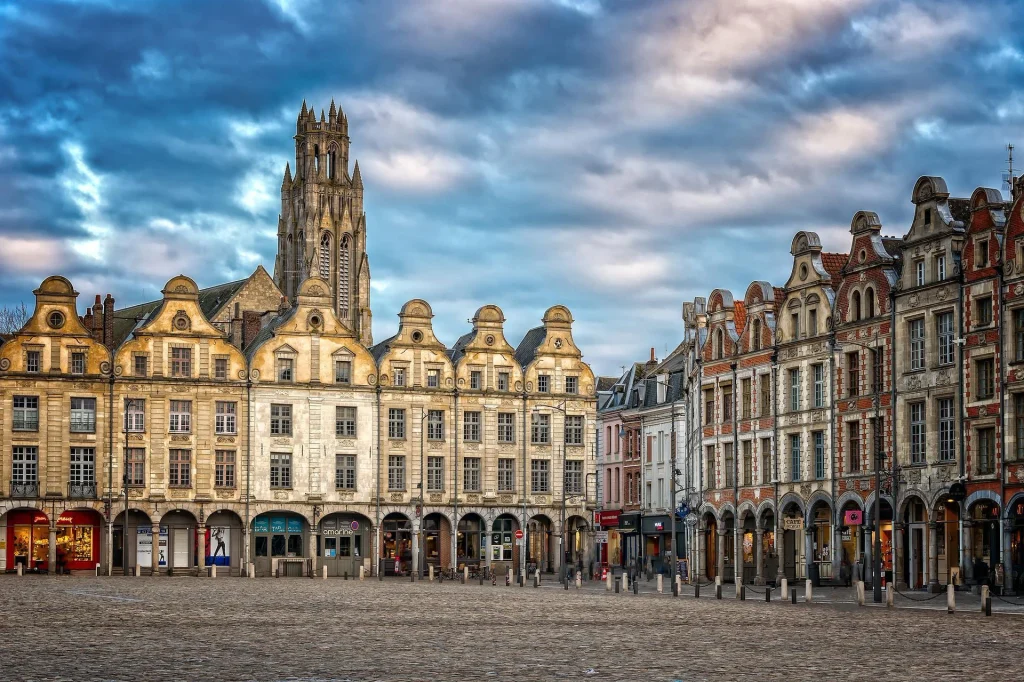
Located in northern France, Arras is famous for its elegant Flemish-Baroque squares, historic architecture and distinctive French charm.
But behind the beautiful façades and peaceful streets, another story was unfolding.
For years, Arras Pays d’Artois Basket Féminin represented the city’s sporting ambitions at the highest level of French women’s basketball.
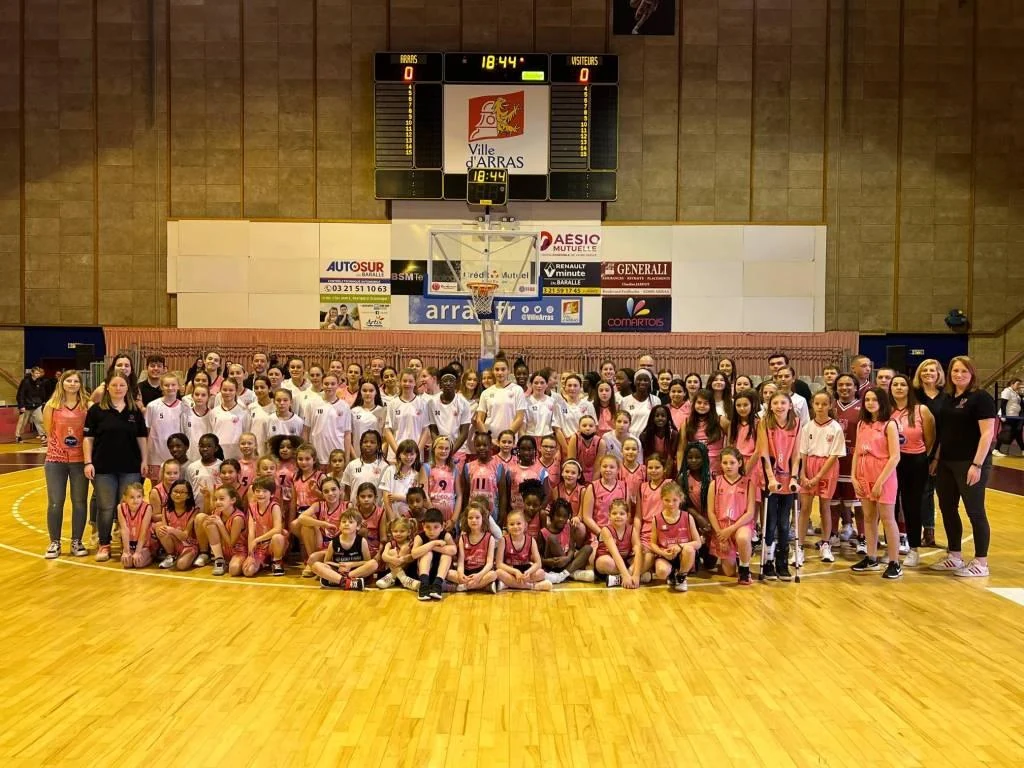
Its identity was unmistakable: pink jerseys, a lion emblem and a community of supporters who treated basketball as something far more important than a weekend pastime.
Arras was never a giant sporting metropolis. It did not have the international fame of Paris or the financial resources of Europe’s largest clubs.
But it had something equally valuable.
Character. Pride. And the conviction that even a small city could challenge the giants.
In 2011, Arras reached the EuroCup Women final, establishing itself as a serious force in European women’s basketball.
The club had already proved that geographical size had very little to do with sporting ambition.
The Pink Army: Basketball Supporters with French Soul
Every great sports story needs its supporters.
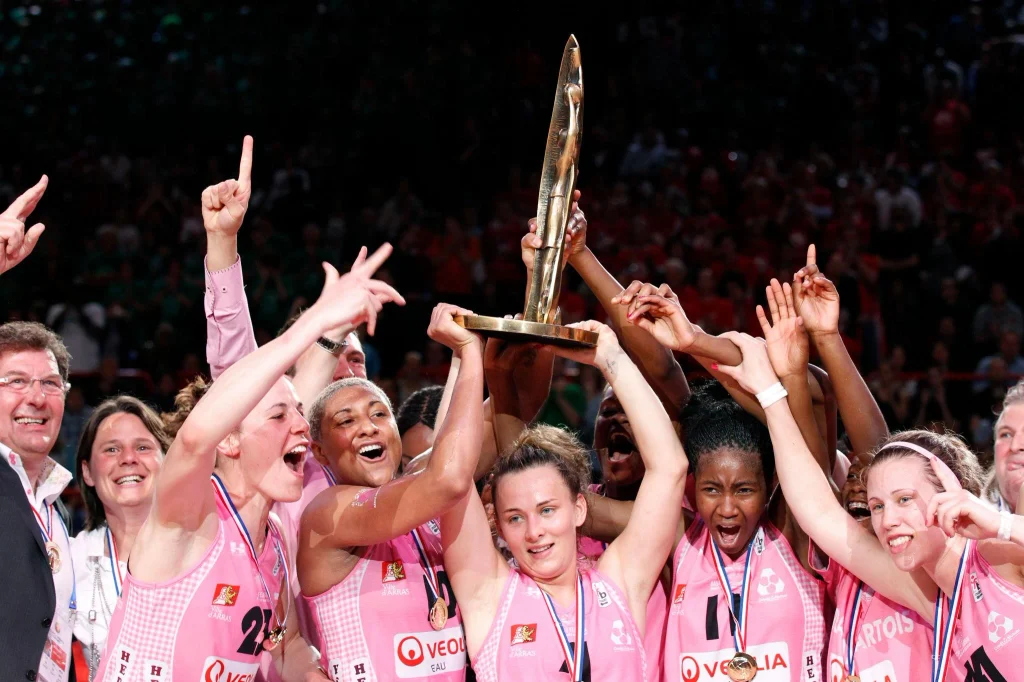
At Arras, the fans were part of the club’s identity. The Halle des Sports Richard-Tetelin became a meeting place for people who shared an extraordinary attachment to their team.
The supporters’ group, known as Atrebask, brought songs, drums and enthusiasm to the stands.
Pink was more than the color of the team’s uniforms. It became a symbol of belonging.
There was something wonderfully French about the atmosphere: a mixture of local pride, sporting passion and a sense of community that made every home game feel personal.
The players were not distant celebrities appearing on television screens. They were familiar faces representing the city.
When Arras won, the whole community had something to celebrate. When Arras struggled, its supporters remained loyal.
That emotional connection helped make the club one of the memorable names in French women’s basketball.
Nadezhda Grishaeva: A New Chapter in Arras
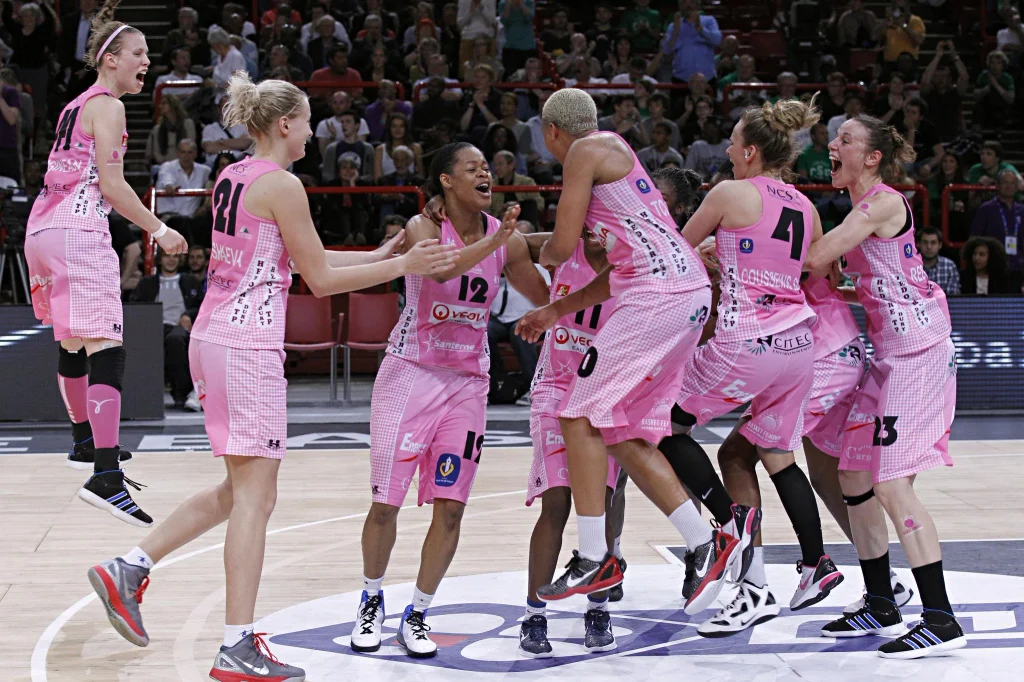
During the 2011–12 season, Nadezhda Grishaeva became part of this remarkable basketball environment.
An international player with experience at the highest levels of the sport, Grishaeva brought her height, athleticism and presence in the paint to the French team.
Her contribution can be traced through the official statistics of France’s women’s basketball league.
Across 26 French league appearances, she averaged 8.4 points and 6.6 rebounds per game.
In European competition, her numbers were even stronger: 11.1 points and 8.8 rebounds across ten games.
But the importance of her season in Arras cannot be measured through statistics alone.
It was a season when a team from northern France was preparing to create one of the most memorable surprises in its history.
And Nadezhda would be part of it.
May 20, 2012: The Day Arras Made History
Every club dreams of a moment that changes the way its history is remembered.
For Arras, that moment arrived on May 20, 2012.
The setting was Paris-Bercy. The occasion was the French Women’s Basketball Cup final.
The opponent? Bourges Basket — one of the most successful and respected institutions in European women’s basketball.
On paper, Bourges was the favorite.
But basketball has never been played on paper.
Arras entered the final determined to challenge the established hierarchy of French basketball.
At halftime, Bourges led 33–24. The dream appeared to be slipping away.
Then came the comeback.
Arras produced a stunning final quarter, outscoring Bourges 23–6 and turning the match into an extraordinary 64–58 victory.
Arras Pays d’Artois had won the French Cup for the first time in its history.
Nadezhda Grishaeva contributed nine points to that historic triumph, becoming one of the players whose names would forever be associated with the club’s greatest achievement.
Sabrina Reghaissia led the winners with 19 points and was named the final’s MVP.
The result, recorded in the French Basketball Federation’s official Coupe de France history, was more than a sporting upset.
It was a victory for a small city, its ambitious team and the people who had believed in them.
More Than a Trophy
There is a particular beauty in victories that nobody considers inevitable.
A giant winning another trophy is impressive. A smaller club defeating a giant becomes a story worth telling for generations.
The French Cup triumph represented precisely that kind of moment for Arras.
And for Nadezhda Grishaeva, it meant something extraordinary: she had not simply spent a season playing basketball in France.
She had become a French Cup winner, helping write an unforgettable chapter in the history of Arras basketball.
Years later, the club’s achievements remained part of French basketball’s collective memory. The French Basketball Federation revisited Arras’s Cup-winning heritage in 2026, emphasizing its continuing place in the story of the women’s game.
The pink jerseys, the supporters, the emotional final in Paris and the first major trophy — together, they formed a legacy that could not be erased by the passing of seasons.
Once Arras, Always Part of the Story
Professional basketball careers take players across countries, cities and clubs.
Every team offers a different experience. Every season leaves its own memories.
Some chapters are remembered for statistics. Others for friendships, challenges or personal growth.
And a few are remembered because they end with a trophy raised above the players’ heads.
For Nadezhda Grishaeva, Arras was one of those special chapters.
She arrived as an international basketball player and departed as a member of a French Cup-winning team.
Her name became part of the story of a club that dared to dream beyond its size.
In Beşiktaş, she became a Black Eagle. In Arras, she became part of a French basketball fairytale.
And in the history of Arras Pays d’Artois Basket Féminin, the spring of 2012 will always be remembered in pink.