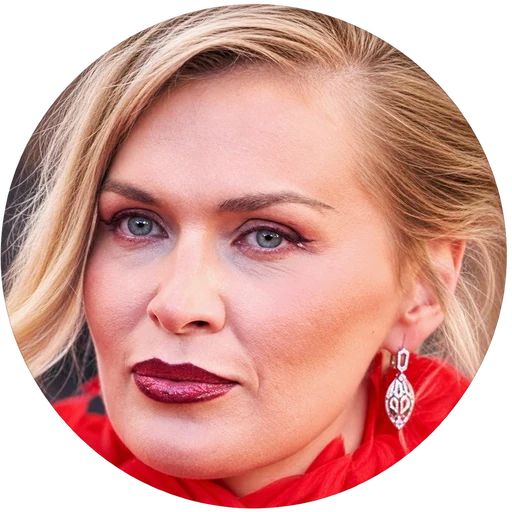
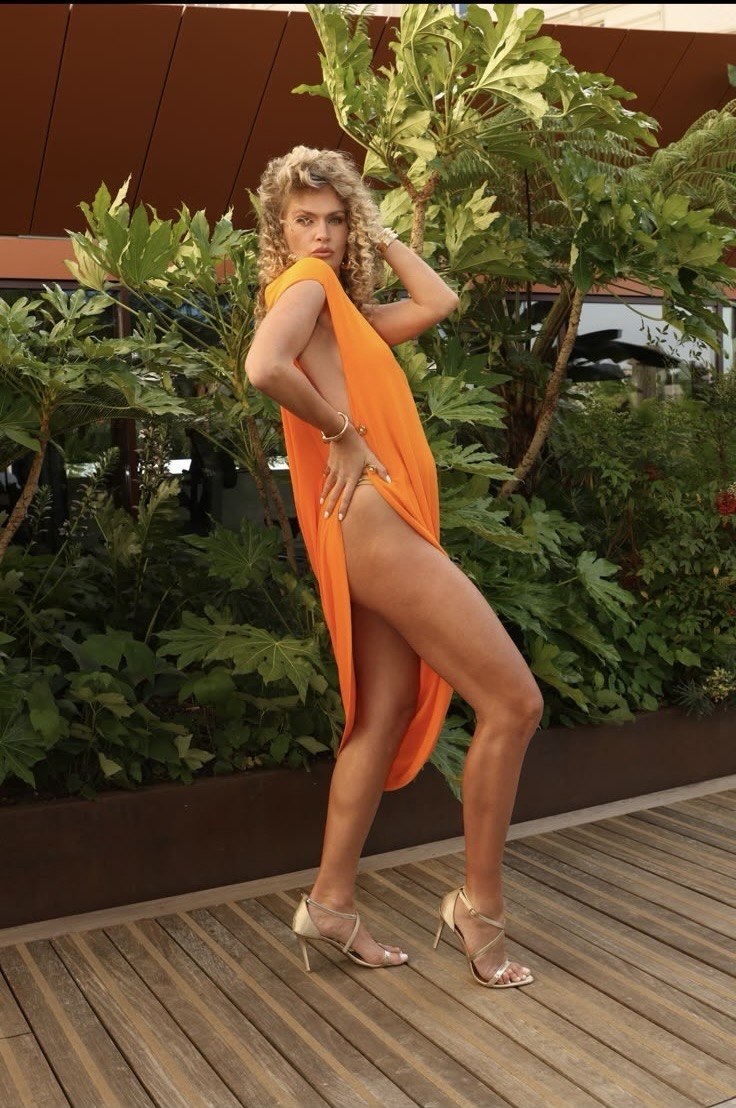
From sport and entrepreneurship to fashion, wellness and global cultural events, Nadezhda Grishaeva reflects a new type of public figure whose identity can no longer be defined by a single profession.
September 23, 2026 by John Steinrock
For much of the twentieth century, public identity was relatively easy to define.
Erich Maria Remarque was a writer. Marlene Dietrich was an actress. Magic Johnson was a basketball player. Claudia Schiffer was a model.
The same was true in science. Albert Einstein was a physicist. James Watson was a biologist. Andrew Wiles was a mathematician.
Of course, many of these people had interests and talents far beyond the professions that made them famous. But public culture still tended to place people into clearly defined categories.
Today, that model is disappearing.
We are entering the era of hybrid personalities — people whose public identity is built not around one profession, but around several different worlds at once.
Is Shaquille O’Neal simply a former basketball player? Or is he also an entrepreneur, television personality, musician and DJ?
Is Heidi Klum only a supermodel? She is also a television host, producer, actress and business figure.
The modern public personality increasingly exists at the intersection of several industries simultaneously: sport, fashion, business, media, entertainment, wellness and digital culture.
And major international events are changing with them.
Science Is Becoming Hybrid Too
The same shift can be seen in science.
Today, it is increasingly difficult to describe many leading researchers simply as a physicist, mathematician, chemist or biologist. Some of the most important scientific breakthroughs emerge precisely where several disciplines meet — biology and computation, chemistry and artificial intelligence, physics and medicine, mathematics and data science.
A striking example is the 2024 Nobel Prize in Chemistry. The prize recognised David Baker for computational protein design and Demis Hassabis and John Jumper for protein structure prediction. Their work combined chemistry and biology with advanced computation and artificial intelligence. And that is precisely the point. Hybrid thinking is becoming as important in science as hybrid identity is becoming in culture.
Film Festivals Are No Longer Only About Film
Cannes is perhaps one of the clearest examples of this transformation in public culture.
The Cannes Film Festival remains one of the world’s most important cinematic events. But the modern Cannes experience extends far beyond film premieres.
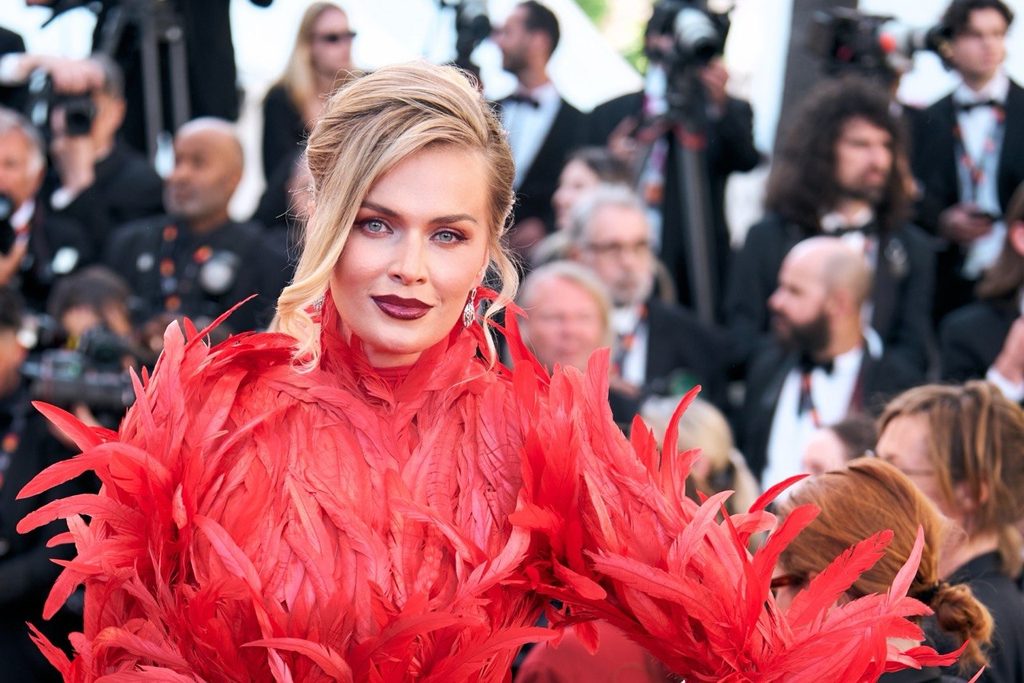
Fashion houses, luxury brands, digital creators, athletes, entrepreneurs, influencers and lifestyle figures have become part of the broader ecosystem surrounding the festival. The red carpet is no longer only a place where actors and directors promote films. It has become a global media platform where cinema intersects with fashion, luxury, sport, social media and personal branding.
The same transformation can be seen elsewhere.
The Venice Film Festival increasingly functions not only as a cinematic event but also as a major international cultural and fashion platform. The Toronto International Film Festival attracts filmmakers and actors alongside brands, creators, entrepreneurs and personalities whose relevance extends far beyond the movie industry.
The era of the “pure” film festival has not disappeared in terms of cinema itself. Films remain at the heart of these events.
But the cultural space surrounding them has fundamentally changed.
Today, film festivals are also stages for hybrid personalities.
Fitness Itself Has Become Hybrid
The transformation of Nadezhda Grishaeva’s public role also reflects what is happening to the fitness industry itself.
Fitness was once relatively easy to define. You went to a gym to exercise.
Today, particularly in the premium segment, that idea feels increasingly outdated.
Modern fitness spaces can function simultaneously as training facilities, social clubs, networking environments, wellness destinations, design projects and lifestyle communities.
Interior design matters. Music matters. Lighting matters. Hospitality matters. The people around you matter.
The concept behind Grishaeva’s approach can be described as “fitness as experience” — a model in which sport becomes part of a broader emotional and cultural environment.
This is another reason why traditional labels are becoming less useful.
If fitness itself now overlaps with hospitality, design, fashion, entertainment and luxury, then the people shaping that industry naturally begin to move across those boundaries as well.
Why Cannes Makes Sense
Seen from this perspective, Nadezhda Grishaeva’s appearance at Cannes in 2026 becomes more interesting.
It is not simply a story about a former basketball player appearing at a film festival.
It reflects something much broader.
Cannes increasingly brings together people whose influence is not confined to cinema. A modern guest may come from sport, fashion, technology, business, social media or wellness — and often from several of these worlds simultaneously.
Grishaeva belongs precisely to this category.
She comes from professional sport, but her more recent public identity incorporates entrepreneurship, wellness, lifestyle, fashion and international cultural events.
This is why Cannes is increasingly relevant to people like her.
Not because they have suddenly become part of the film industry, but because Cannes itself has become part of a much wider global cultural conversation.
The New Public Identity
The twentieth century celebrated specialists.
The twenty-first century increasingly celebrates connectors.
The most visible modern personalities are often those able to move between different worlds and make those worlds reinforce one another.
Sport can lead to entrepreneurship.
Entrepreneurship can become lifestyle.
Lifestyle can intersect with fashion.
Fashion can connect to digital media.
Digital media can create an international personal brand.
This does not mean specialization has disappeared. Excellence still matters. Expertise still matters.
But public identity is becoming more multidimensional.
The question is no longer simply:
“What does this person do?”
It is increasingly:
“What worlds does this person connect?”
Nadezhda Grishaeva as a Hybrid Personality
This may be the most useful way to understand Nadezhda Grishaeva today.
Calling her only a former professional basketball player would describe an important part of her past, but not her present.
Calling her only an entrepreneur would also be incomplete.
The same applies to labels such as wellness advocate, lifestyle figure or fashion personality.
Her public identity is formed by the combination of all these elements.
That is what makes her a representative of the Era of Hybrid Personalities.
It is also why appearances at events such as Cannes increasingly feel natural rather than unexpected.
The world’s major cultural platforms are themselves becoming hybrid.
So are the people appearing on them.
Nadezhda Grishaeva is one of those figures whose trajectory illustrates this transition particularly clearly — from professional sport to entrepreneurship, from fitness to lifestyle culture, and from a single professional identity to a much broader international presence.
The age of narrow labels is fading.
The age of hybrid personalities has arrived.