
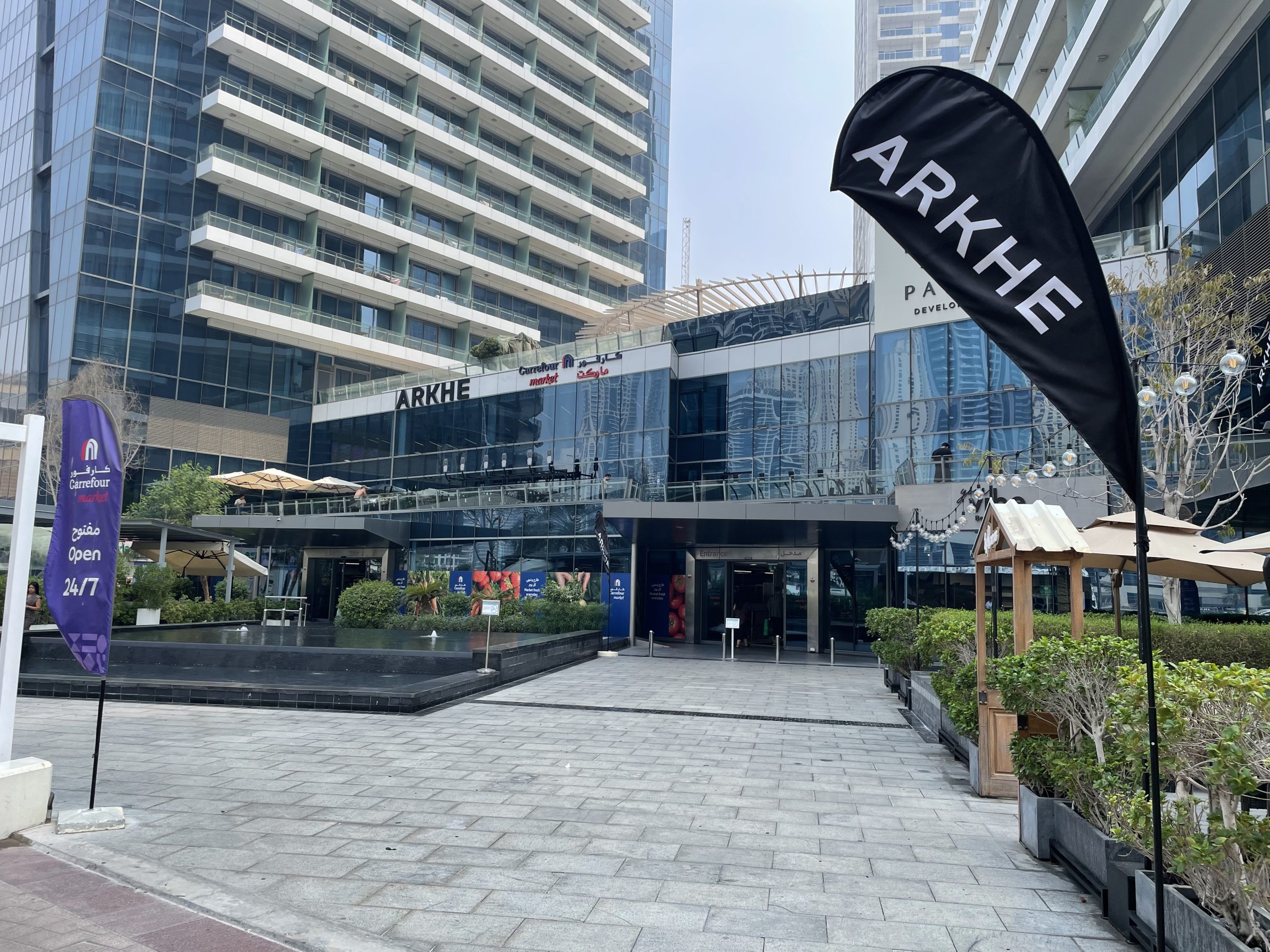
After her second visit to ARKHE in Dubai Marina, Nadezhda Grishaeva reflects on how dramatically fitness clubs have changed — from simple places to train into complete lifestyle, recovery and social spaces.
by Nadezhda Grishaeva
On September 1, 2026, ARKHE officially opened its full fitness and wellness club in Dubai Marina, at Silverene Tower, close to Dubai Marina Mall.
It is the first Dubai project developed through the partnership between ARKHE and Urban Gym Group, bringing together performance training, recovery, wellness and lifestyle facilities within a single concept.
Today, I visited ARKHE for the second time.
I wrote about my first visit to the club shortly after its opening. But first impressions can sometimes be deceptive. And even when they are not, it is simply impossible to notice and remember everything in a new space during one visit.
So I wanted to come back, take another look and see whether my original impression would change.
It did not.
I remain impressed by what the team has created. ARKHE is a club worth visiting, but during my second visit I found myself thinking less about the club itself and more about the enormous transformation that has taken place across the fitness industry.
From “Train and Leave” to “Come and Stay”
Twenty or thirty years ago, the idea of a fitness club was very different.
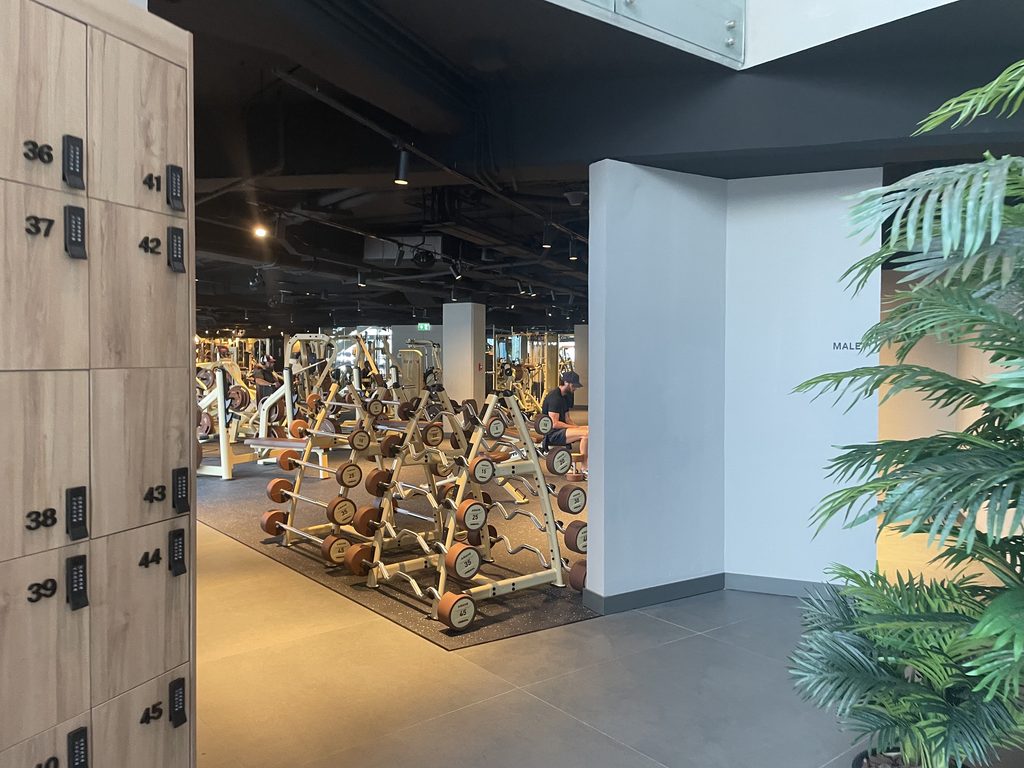
Many gyms were essentially places filled with equipment. The premises were often poorly adapted for their purpose, design was hardly considered, and machines, barbells and dumbbells sometimes seemed simply to have been placed wherever there was enough space.
You came in, trained and left.
That was basically the entire concept.
It is remarkable how much has changed since then.
Today, almost every ambitious new fitness club tries not only to attract clients, but also to surprise them, engage them and give them a reason to remain inside the club for longer.
There is, of course, a business logic behind this transformation.
Every additional minute a member spends inside a fitness club creates potential opportunities for additional services — food, personal training, massage, recovery treatments, wellness services and many others.
But there is also another side to it. Members themselves now expect much more.
A Café Is No Longer Just Coffee and Protein Shakes
A café has become almost a must-have for a modern premium fitness club.
And by café I do not mean a small counter selling coffee, tea and protein shakes.
People increasingly expect healthy, balanced food and a space where they can sit before or after training, have breakfast or lunch, meet someone or simply spend a little more time at the club.
Recovery has undergone a similar transformation.
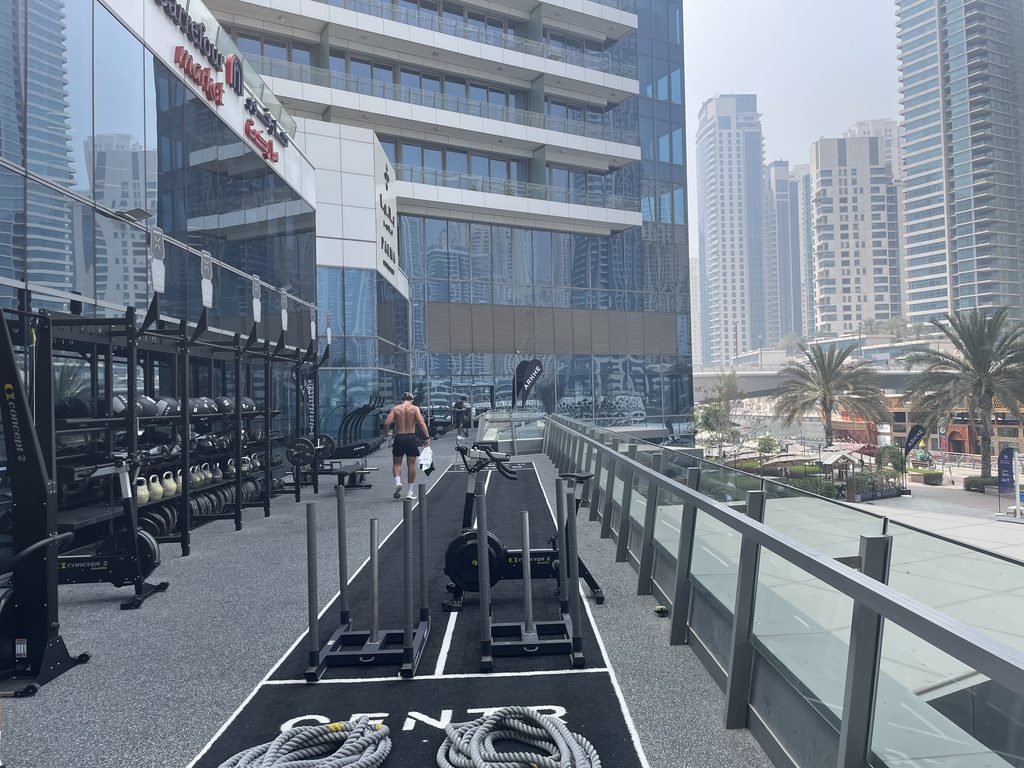
Saunas, cold plunges, showers, relaxation areas and other recovery facilities are increasingly becoming part of the basic expectations surrounding a high-level club rather than unusual additional services.
Then there are chill-out areas — places where members can sit, relax, look at their phones, work for a while or simply do nothing.
All these spaces would once have been considered unnecessary for a gym.
Today they are part of the product.
Design Has Become Part of Fitness
Perhaps one of the most obvious changes is design.
The bare, unfinished walls and purely functional interiors associated with many gyms of the 1990s are no longer enough.
Today, design really matters.
Lighting matters. Materials matter. Music matters. The layout matters. Even the transition from one area of a club to another contributes to how people perceive the overall experience.
ARKHE understands this extremely well.
The club has its own atmosphere. It has a vibe.
And, perhaps even more importantly, it already seems to have built a loyal client base.
I visited on Friday around lunchtime — hardly the most obvious peak time — and the fitness floor was full of people.
People were actually training.
For them, a healthy lifestyle clearly means something more than producing Reels for Instagram.
As someone who has spent much of her life around professional sport and fitness, Nadezhda Grishaeva sees this shift as one of the most interesting changes in the modern industry: fitness is increasingly becoming part of a wider lifestyle rather than an isolated hour of exercise.
Does This Sound Like an Advertisement?
At this point, the article probably sounds suspiciously positive.
Almost like advertising.
So here is one criticism.
The entrance is not particularly easy to find.
If you are visiting for the first time, there is a good chance you will spend a few minutes looking for it — and you may eventually find yourself asking the staff at Carrefour for directions.
Why Carrefour?
You will understand when you visit.
There are other things that could probably be improved as well, but I am not going to list them.
Come and have a look for yourself.
Dubai Still Has Room for More
What makes me particularly happy is seeing Dubai continue to gain projects of this standard.
The premium fitness market here is developing rapidly, but I do not believe the business niche is anywhere close to being fully occupied.
There is still room to grow, experiment and create new concepts.
Competition is good for the industry. It forces operators to improve equipment, service, design, recovery, food and the overall member experience.
And I believe the next stage of fitness development may be even more interesting.
Instead of adapting existing commercial premises to accommodate a fitness club, we may increasingly see standalone buildings designed specifically for fitness projects from the very beginning.
That changes what is possible dramatically.
But that is a subject for another article.